
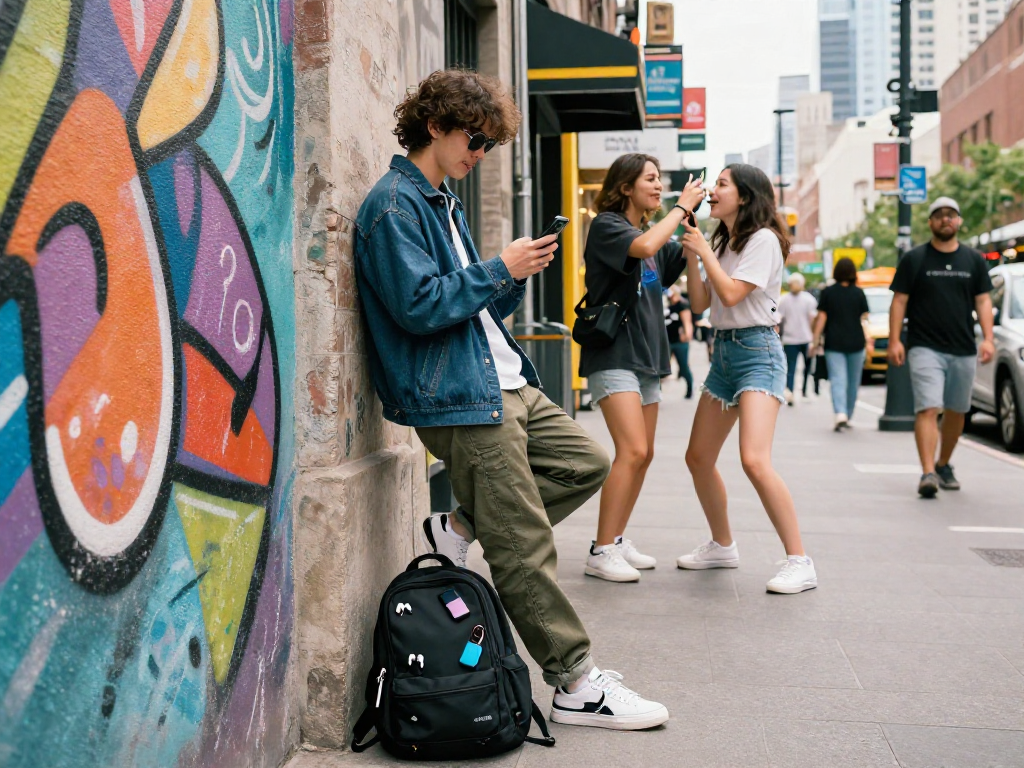
Understanding the Evolution of Urban Fashion
The urban fashion scene has transformed dramatically over the decades, driven by cultural shifts, technological advancements, and the influence of social media. As society embraces diversity and individuality, streetwear has emerged as a powerful expression of identity. Central to this evolution is the integration of artificial intelligence (AI), which has begun to shape various facets of fashion—from design to marketing. Understanding how AI intersects with urban fashion is vital for anyone looking to stay ahead of trends. For a deeper exploration of this phenomenon, ai slut encapsulates the emerging dialogue surrounding AI's role in fashion culture.
Historical Context of Streetwear and AI Influence
The roots of streetwear date back to the 1980s, born from a blend of skate culture, hip-hop, and high fashion. Artists like Keith Haring and brands such as Stüssy laid the groundwork for a movement that valued self-expression and inclusivity. As the years progressed, technology began to play an increasingly pivotal role in this space. The rise of the internet and social media enabled grassroots brands to reach wider audiences, while AI now emerges as a critical player in analyzing trends and consumer preferences.
The Rise of AI in Fashion Design and Personalization
Fashion brands are leveraging AI tools to create personalized shopping experiences that cater to individual tastes. Through algorithms that analyze customer data, brands can tailor recommendations, making the shopping journey more relevant and engaging. For instance, AI-driven platforms can predict which styles will resonate with specific consumer segments, leading to more effective inventory management and enhanced customer satisfaction.
Consumer Behavior Shifts in Urban Fashion Spaces
Today's consumers are looking for authenticity and connection in their fashion choices. The influence of social media platforms has given rise to a new breed of trendsetters—social media influencers—who shape public perception of styles and brands. Moreover, urban fashion has become increasingly inclusive, reflecting a broader range of identities and expressions. This shift in consumer behavior necessitates that brands remain agile and responsive to emerging trends.
Exploring the Concept of 'ai slut' in Urban Culture
The term 'ai slut' has emerged within urban fashion discussions, encapsulating the blend of artificial intelligence influence and sexuality in self-expression. This concept challenges traditional notions of identity within fashion, emphasizing how technology can enhance personal style rather than diminish it. The interaction between AI and fashion raises questions about the future of self-expression and the nuances of identity in a digital age.
Defining 'ai slut': Fashion, Identity, and Expression
'ai slut' suggests a playful yet unapologetic embrace of technology in fashion. It implies a willingness to explore and experiment with various styles, trends, and influences, driven by AI's capabilities in providing personalized recommendations. This emerging concept also invites discourse on how identities are formed within online spaces, often driven by algorithmic suggestions that promote certain styles over others.
How Online Communities Shape Perceptions of Style
Online communities have redefined the landscape of fashion, allowing individuals to share their unique perspectives and styles. Platforms like Instagram and TikTok have encouraged users to showcase their fashion choices, often influenced by AI recommendation algorithms. The virality of certain styles, catalyzed by these platforms, illustrates how community feedback shapes personal identity in the urban fashion realm.
The Role of AI-Driven Platforms in Trend Predictions
AI-driven analytics are vital for predicting upcoming trends in urban fashion. By analyzing vast amounts of data from various sources, including social media, online marketplaces, and consumer feedback, AI tools can identify patterns that may not be immediately apparent to human analysts. This foresight allows brands to be proactive rather than reactive, successfully aligning their collections with emerging customer preferences.
Best Practices for Embracing AI in Fashion Marketing
As the integration of AI in fashion accelerates, brands must adopt effective marketing strategies to harness its potential fully. The following best practices can enhance customer engagement and streamline operations.
Leveraging AI for Personalized Shopping Experiences
Brands should prioritize the use of AI to enhance personalization in shopping experiences. By utilizing machine learning algorithms that analyze customer preferences and previous purchases, brands can create tailored recommendations, improving customer satisfaction and conversion rates. This approach can lead to higher loyalty among consumers who feel understood and valued by the brand.
Utilizing Data Analytics to Understand Trend Shifts
Data analytics is crucial for identifying and adapting to dynamic trends in fashion. By employing AI-powered tools, brands can gather insights into consumer behavior, enabling them to pivot their marketing strategies effectively. As trends change rapidly, having real-time data at one’s disposal allows for timely decision-making that can position a brand advantageously in a competitive marketplace.
Integrating AI in Social Media Strategies for Maximum Engagement
Successful fashion brands are increasingly integrating AI into their social media strategies. AI can analyze which types of content resonate best with audiences, guiding brands to create targeted campaigns. Furthermore, AI-powered tools can help automate responses, engage with consumers, and manage brand reputation across various platforms, leading to a more cohesive and proactive brand presence.
Challenges and Misconceptions Surrounding AI-Driven Fashion
Despite the advantages of AI in fashion, several challenges and misconceptions persist. These issues must be addressed to foster trust and innovation in the industry.
Addressing Concerns About AI and Authenticity in Style
One of the primary concerns regarding AI in fashion is the fear that it compromises authenticity. Some argue that relying on algorithms for design and recommendations may lead to a homogenization of style, where individual creativity becomes secondary to data-driven decisions. To combat this perception, brands must emphasize the importance of human input alongside AI insights, ensuring that authenticity remains at the forefront of their design processes.
Navigating Privacy Issues in Fashion Tech Innovations
As AI collects and analyzes consumer data, privacy concerns emerge. Brands must prioritize transparency about how they use customer data and implement robust security measures to safeguard this information. Establishing trust with consumers is paramount, as any breach of privacy can have severe consequences for brand reputation.
Combatting Stereotypes Associated with 'ai slut' Terminology
The term 'ai slut' can evoke mixed reactions, often stemming from misunderstandings regarding its meaning. To combat stereotypes, it is important to clarify that it represents a celebration of creativity and innovation rather than a derogatory term. Open discussions about the implications of this terminology can help reshape perceptions and foster a more inclusive dialogue in urban fashion circles.
Future Trends in Urban Fashion and AI Synergy
As we look towards 2026, several trends are poised to shape the intersection of urban fashion and AI. Understanding these developments can help brands and consumers navigate this evolving landscape.
Predictions for Urban Fashion Evolution by 2026
By 2026, urban fashion will likely become even more intertwined with technology. We can expect innovations in wearable tech, such as garments that adjust to environmental conditions or personal preferences in real-time. Moreover, fashion shows may become increasingly digital, with virtual reality presentations providing immersive experiences for attendees.
Innovative AI Tools Revolutionizing the Fashion Industry
The future of fashion will rely heavily on innovative AI tools that can streamline design processes and enhance consumer experiences. Tools that enable virtual try-ons, AI-generated designs, and automated supply chain management will redefine how brands operate. As these tools become more mainstream, they will empower smaller brands to compete with larger ones by optimizing their operations and personalizing their offerings.
Consumer Empowerment Through Technology in Fashion Choices
As technology continues to evolve, consumers will have more tools at their disposal to make informed fashion choices. The rise of AI-driven platforms will empower individuals to curate their wardrobes based on personal style and values. By 2026, we envision a landscape where consumers can choose outfits that not only reflect their personal tastes but also align with ethical and sustainable practices.
What does 'ai slut' really mean in urban fashion?
The term 'ai slut' embodies an exploration of the intersection between AI and personal expression in fashion. It represents a candid celebration of how technology can enhance individuality rather than dictate it.
How is AI shaping fashion trends in 2026?
AI is expected to profoundly shape fashion trends by enabling brands to predict consumer preferences and create personalized shopping experiences that resonate with diverse audiences.
What strategies should brands adopt to embrace AI in their marketing?
Brands should focus on leveraging AI to create tailored experiences, utilize data analytics for timely insights, and integrate AI into social media strategies to maximize engagement.
Are there ethical concerns regarding AI in fashion?
Yes, ethical concerns around AI in fashion primarily relate to data privacy, the potential for loss of authenticity, and addressing stereotypes associated with terms like 'ai slut'. Brands must navigate these challenges thoughtfully.
How can consumers navigate trends related to 'ai slut'?
Consumers can navigate trends by embracing the concept of 'ai slut' as a celebration of diverse identities. Engaging with AI-driven fashion platforms can help individuals discover styles that resonate with their personal expression.