Consistent “who called me” Results: The Method Behind Effective Phone Lookup
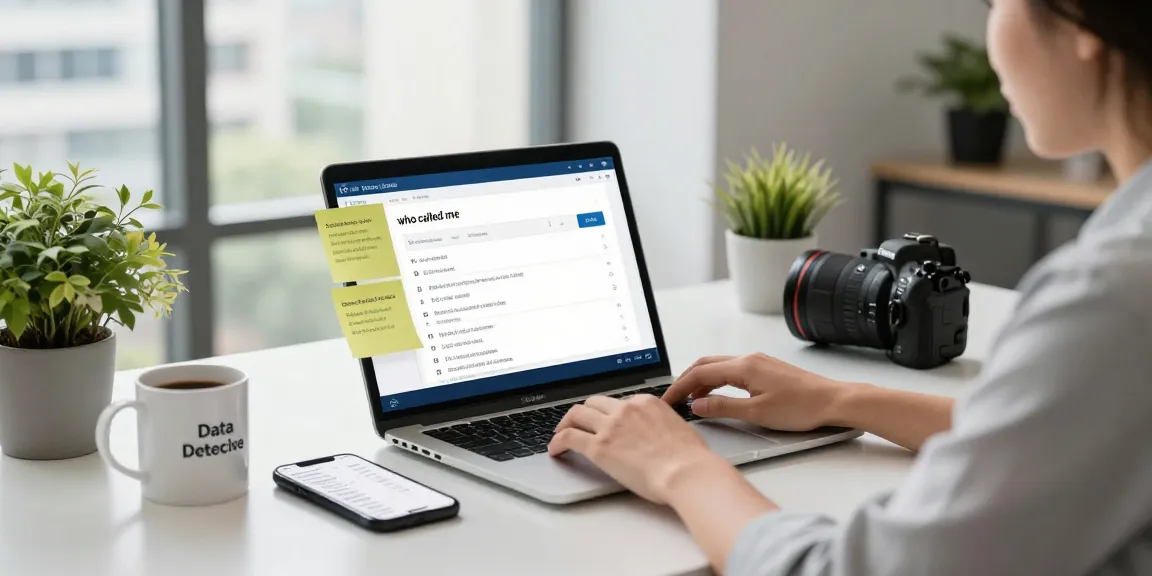
Understanding Reverse Phone Lookup
In an age where unsolicited calls and scams have become increasingly prevalent, many individuals find themselves asking, “Who called me?” Identifying unknown callers can be challenging, especially given the growing number of spam and fraudulent calls. This article aims to provide you with a comprehensive understanding of reverse phone lookup services, particularly how tools like who called me can assist you in tracking down the source of mysterious phone numbers.
What is Reverse Phone Lookup?
Reverse phone lookup is a method that allows individuals to identify the owner of a phone number by starting with the number itself rather than a name or address. This process is essential for screening calls and understanding who is on the other end before deciding to answer or return a call.
How Does “Who Called Me” Work?
The “Who Called Me” service works by aggregating data from various sources, including official numbering data and public reports from users. The tool allows users to input a phone number and receive information about its origin, potential spam status, and the range holder responsible for the number. By leveraging this information, individuals can make informed decisions about whether to engage with the caller.
The Importance of Phone Lookup Services
Phone lookup services are crucial for consumer protection in today’s digital landscape. With the rise of phishing scams, robocalls, and identity theft attempts, these tools empower users to identify and avoid potential threats. Understanding the source of a call can help mitigate risks and provide peace of mind, especially for vulnerable populations such as the elderly or those less familiar with modern technology.
Common UK Phone Call Types
As the frequency of spam and scam calls in the UK increases, it’s essential to recognize the different types of calls one might encounter. By understanding these call types, you can better protect yourself and your personal information.
Identifying Spam and Scam Calls
Spam and scam calls often follow recognizable patterns. Here are a few common indicators to help identify these calls:
- Caller ID Spoofing: Many scammers use technology to disguise their numbers, making them appear as if they are coming from legitimate sources, like your bank or local government.
- Pressure Tactics: Fraudsters often create a sense of urgency, pushing you to share personal information immediately or face dire consequences.
- Pre-recorded Messages: Beware of automated messages that may try to deceive you into believing that you owe money or need to act quickly to avoid penalties.
Legitimate Call Patterns Explained
Not all calls are scams; many legitimate businesses use outreach strategies to connect with potential customers. Here are a few typical examples:
- Customer Service Calls: Businesses might contact customers for feedback or to resolve issues with their service.
- Appointment Reminders: Healthcare providers and service businesses often call to remind clients of upcoming appointments.
- Surveys and Research: Market research companies conduct surveys, often targeting specific demographics for insights on products and services.
High-Risk Area Codes to Watch
Certain area codes in the UK have gained notoriety for being linked to scams or high rates of unsolicited calls. If you frequently receive calls from numbers with the following area codes, consider them a potential red flag:
- 070: Personal numbers that can incur hefty fees if called back.
- 090: Premium rate numbers often used in scams.
- 0845: Used for various services, but can sometimes be linked to call centers or sales.
Utilizing the WhoCalledLookup Tool
The WhoCalledLookup tool is designed to provide users with the insights they need to make informed decisions about unknown calls. Here’s how to effectively use this service.
Step-by-Step Guide to Using the Tool
Using the WhoCalledLookup service is straightforward:
- Navigate to the WhoCalledLookup website.
- Input the phone number you wish to look up in the provided search bar.
- Click the search button to retrieve information about the caller.
- Review the results, which will include details about the number’s range, risk score, and any publicly available feedback.
Understanding Results and Risk Scores
The results from a reverse lookup typically include a risk score that indicates the likelihood of the number being associated with spam or scam activity. A higher score suggests caution, prompting you to consider not engaging with the caller. Additionally, the tool will provide information about area codes and any known complaints related to the number.
Common User Scenarios and Use Cases
The WhoCalledLookup tool is beneficial for various users, from everyday consumers to professionals. Here are some common scenarios:
- Consumers: Individuals receiving frequent unsolicited calls can quickly identify and block spam numbers.
- Small Business Owners: Shop owners and service providers can verify whether missed calls are potential customers or unsolicited sales.
- Journalists and Researchers: Professionals can use the service to ensure the credibility of sources before engaging.
Tips for Reporting Suspicious Calls
When you receive a suspicious call, reporting it can help protect others from falling victim to scams. Here’s how to effectively document and report these calls.
How to Report Phone Scams Effectively
If you suspect a call is a scam, it’s important to report it to the relevant authorities. In the UK, you can report such calls to Action Fraud, the UK’s national fraud and cybercrime reporting center. This helps build a database of scams that can be used to track and eliminate fraudulent activity.
Documenting Suspicious Call Activity
Keep a detailed log of suspicious calls, including:
- The date and time of the call.
- The number that called you.
- A brief description of what the caller said.
- Your response during the call.
Best Practices for Consumer Protection
To protect yourself from unwanted calls:
- Use a robust call-blocking feature on your phone.
- Register your numbers with the Telephone Preference Service (TPS) to opt out of unsolicited sales calls.
- Be wary of sharing personal information over the phone, especially with unknown callers.
Future of Phone Lookup Services in 2026
The landscape of phone lookup services is continually evolving. As technology advances, so too will the systems and methodologies used to track unknown calls.
Emerging Trends in Caller Identification
In the coming years, we can expect to see significant improvements in caller identification technologies, including:
- Enhanced AI Algorithms: Utilizing more sophisticated AI will help better discern between legitimate and fraudulent calls.
- Blockchain Technology: This could provide a secure and transparent method of tracking callers, enhancing trust and accountability.
Advancements in AI for Phone Lookup
As artificial intelligence continues to develop, reverse lookup services will become more adept at analyzing patterns in caller behavior. This will lead to better predictions regarding spam calls and more accurate assessments of caller legitimacy.
Consumer Awareness and Empowerment
By 2026, increased consumer education about phone scams and available tools may significantly impact the effectiveness of these scams. Empowered consumers are less likely to fall victim, leading to a decline in the number of successful fraudulent calls.
What is the purpose of reverse phone lookup?
The primary purpose of reverse phone lookup is to help individuals identify the ownership of a particular phone number. This can aid in making informed decisions about returning calls and protecting oneself from potential scams.
How can I identify spam calls?
Spam calls can often be identified by their suspicious characteristics, such as pressure tactics, caller ID spoofing, and pre-recorded messages. Utilizing reverse phone lookup services can also assist in discerning whether a call is likely to be spam.
What should I do if I receive a suspicious call?
If you receive a suspicious call, it’s best not to engage with the caller. Instead, consider using a reverse phone lookup service to gather information about the number. If you suspect fraud, report the call to relevant authorities.
Are phone lookup services free?
Many phone lookup services, including WhoCalledLookup, offer free access to their tools, allowing users to check phone numbers without incurring any costs.
What are common scam call tactics to recognize?
Common tactics include creating a sense of urgency, disguising caller ID information, and asking for sensitive information. Being aware of these tactics can help you avoid falling victim to scams.