Creating Your Dream Small Bathroom Remodel: Design Tips and Ideas

Understanding the Essentials of a Small Bathroom Remodel
Embarking on a small bathroom remodel can be a daunting yet rewarding process. Small bathrooms often present unique challenges due to their compact nature, but with the right planning and creativity, you can transform a limited space into a sanctuary that is both functional and aesthetically pleasing. This guide will take you through essential considerations, the latest design trends, budgeting tips, step-by-step planning, and maintenance advice to ensure your remodel exceeds your expectations.
Defining Your Goals for the Remodel
Before diving into the specifics of a remodel, it’s crucial to define your goals. Are you looking to enhance functionality, increase storage, or improve aesthetics? Here are some common goals to consider:
- Improved Functionality: For many homeowners, the primary goal is to maximize the usability of a small space. This could mean incorporating fixtures that offer multiple uses, like a shower-tub combo that saves room.
- Enhanced Storage: Addressing storage concerns is often central to a remodel. Make a list of your storage needs and explore options like built-in shelves, cabinets, or recessed storage.
- Aesthetic Appeal: If outdated design is a concern, consider remodeling to create a more contemporary or personal style that enhances the mood and overall feel of the bathroom.
Assessing Space and Layout Options
Space planning is critical in small bathrooms. Effective layout choices can transform a cramped bathroom into a more spacious feeling area. Here are some layout tips:
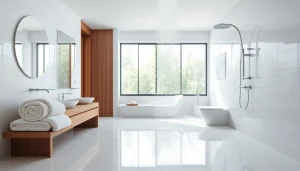
- Wall-Mounted Fixtures: Consider installing wall-mounted sinks and toilets to free up floor space and create an airy feel.
- Floating Vanities: Opt for floating vanities that elevate from the floor, which can visually enlarge the space.
- Corner Showers: If a tub isn’t essential for your needs, a corner shower can save significant space and provide a modern touch.
Choosing Functional Fixtures and Features
Upon identifying the layout, the next step involves selecting fixtures and features that enhance functionality while fitting the design theme. Key decisions include:
- Space-Saving Toilets: Look for compact or dual-flush toilets that save water and space.
- Sleek Showers: Frameless glass shower enclosures can visually expand the boundaries of the bathroom.
- Efficient Lighting: Incorporate layered lighting with overhead fixtures, wall sconces, and natural light to brighten the space.
Popular Trends in Small Bathroom Design
Staying current with design trends can elevate your small bathroom remodel from ordinary to extraordinary. Here are some popular trends that can enhance your bathroom’s design while optimizing space:
Maximizing Storage Solutions
Maximizing storage is critical for small bathrooms. Innovative storage solutions include:
- Built-In Shelving: Use vertical space with built-in shelves above the toilet or next to the vanity.
- Hidden Storage: Opt for vanities with drawers and compartments that conceal toiletries and towels.
- Multi-Functional Storage: Consider benches with storage capabilities or mirrors that offer additional cabinets.
Incorporating Minimalist Aesthetics
Minimalism is a popular trend in small bathroom design. A minimalist approach focuses on simplicity and function without unnecessary decorative elements. Key tips include:
- Neutral Color Palettes: Stick to soft whites, greys, and taupes to create a clean canvas that feels comforting and spacious.
- Streamlined Fixtures: Choose fixtures and accessories with a clean and sleek design to avoid clutter.
- Uncluttered Surfaces: Keep countertops clear by limiting decorative items, which promotes a clean look.
Utilizing Color Schemes Effectively
The right color scheme can dramatically change the perception of space. Strategies include:
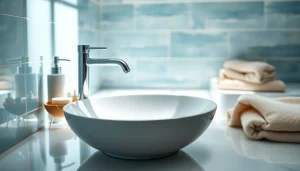
- Light Colors: Shades like soft whites and light blues expand visual space and make the bathroom feel fresh and airy.
- Accent Walls: Use darker colors or bold patterns on one wall to add depth without overwhelming the space.
- Consistent Color Balance: Maintain a cohesive color scheme throughout the home for a seamless flow.
Budgeting for a Small Bathroom Remodel
Creating a realistic budget is vital to avoid overspending during your remodel. Understanding costs and where to allocate funds can help you achieve your dream bathroom without financial strain.
Estimating Costs for Materials and Labor
The cost of a small bathroom remodel typically ranges from $5,000 to $15,000, influenced by materials, fixtures, and labor costs. Here are estimates for common expenses:
- Materials: Depending on quality and type—ceramic tile, countertops, and fixtures can significantly impact your budget.
- Labor Costs: Hiring professionals can add to the overall expense, typically ranging from $40 to $100 per hour, depending on the complexity and region.
- Permits: Be sure to consider any local building permits that may be required for plumbing or electrical work.
Finding Savings Without Compromising Quality
While remodeling, it’s possible to save money without sacrificing quality. Consider the following methods:
- Shop Sales: Look for sales and discounts on tiles, fixtures, and vanities from retailers or online marketplaces.
- Refurbished Items: Consider purchasing gently used materials or fixtures that can be refinished or updated.
- Do It Yourself: Take on simpler tasks like painting and tile installation to keep labor costs down.
Understanding Value and Return on Investment
When budgeting, it’s critical to understand the potential return on investment (ROI) for your remodel. Small bathroom remodels typically recoup a significant percentage of their costs, and investing in quality materials can increase the bathroom’s value. Factors influencing ROI include:
- Quality versus Cost: Higher-quality materials, while more expensive upfront, can minimize repair and replacement costs in the long run.
- Market Trends: In areas where buyers prioritize modern fixtures and efficient layouts, well-executed remodels can lead to higher resale value.
- Functional Improvements: Enhancements that improve the overall functionality can justify a price increase and attract potential buyers.
Step-by-Step Guide to Planning Your Remodel
A well-structured plan is crucial to the success of your small bathroom remodel. Follow these steps to ensure a smooth renovation process.
Preparing for the Renovation Process
The first steps in preparing for your renovation include:
- Research: Study design ideas, storage options, and materials that appeal to you and meet your functional needs.
- Hire Professionals: If the remodel requires significant changes, consider hiring a designer or contractor with experience in small spaces.
- Create a Timeline: Establish a realistic timeline for the project, setting milestones for completion of various tasks.
Collaborating with Professionals or DIY Approaches
Deciding between hiring professionals or opting for a DIY approach depends on your skill level, budget, and job complexity:
- Hiring Experts: For plumbing and electrical work, it’s often safer and more efficient to hire licensed professionals to ensure compliance and quality.
- DIY Tasks: Paint, tile layout, and fixture installation can often be handled by motivated homeowners willing to learn and invest the time.
- Mix and Match: Combine professional services with DIY tasks to balance costs while minimizing stress.
Executing the Design Plan Successfully
Execution is crucial. Follow these strategies to maintain fidelity to your design plan:
- Stay Organized: Keep all design ideas, contracts, and financial documentation organized to streamline communication with contractors.
- Regular Check-Ins: Schedule regular check-ins with any contractors to address concerns or adjustments timely.
- Adaptability: Be prepared for unexpected changes or challenges—flexibility in your plans can help overcome obstacles.
Maintenance and Aftercare for Your New Bathroom
Once your remodel is complete, it’s vital to establish a maintenance routine to ensure longevity and consistent appeal.
Cleaning and Upkeep Tips
Regular cleaning and maintenance will keep your new space looking fresh. Here are some tips:
- Daily Maintenance: Wipe down surfaces daily to prevent buildup of grime and mold.
- Deep Cleaning: Schedule deep cleaning sessions weekly to tackle grout and calcium buildup, ensuring fixtures remain in excellent condition.
- Use Non-Abrasive Cleaners: Avoid harsh chemicals that might damage surfaces or coatings.
Addressing Common Issues
Over time, you may encounter common issues in a small bathroom. Regular maintenance can help mitigate these:
- Mold and Mildew: Ensure good ventilation to prevent moisture buildup and provide a mold-resistant environment.
- Low Water Pressure: If you notice diminished water flow, check for clogs, or consider consulting a plumber.
- Aging Fixtures: Periodically inspect fixtures for wear, and replace them as necessary to prevent leaks.
Enhancing Longevity Through Care
Taking care of your bathroom includes being proactive and preventive:
- Use Quality Materials: When repairing or replacing items, choose high-quality, durable materials that stand the test of time.
- Educate Yourself: Stay informed about your plumbing and electrical systems, knowing how to identify issues early.
- Consistent Inspection: Conduct regular inspections to catch minor problems before they escalate into major repairs.
FAQs
What are the cost ranges for a small bathroom remodel?
The cost of a small bathroom remodel typically ranges from $5,000 to $15,000, depending on materials and scope.
How long does a small bathroom remodel take?
A typical small bathroom remodel can take anywhere from two to six weeks, depending on complexity and contractor availability.
What are the best colors for a small bathroom?
Light colors like whites, soft blues, and pastels enhance space perception and create a tranquil environment.
Can I DIY my small bathroom remodel?
Yes, many aspects can be DIYed, but ensure to consult professionals for plumbing and electrical work for safety.
What fixtures should I consider in a small bathroom?
Opt for space-saving fixtures like wall-mounted sinks, compact toilets, or shower-tub combos to maximize utility.